

- Madhuli Kulkarni
- October 13, 2021
- 0 Comments
Trust us we looked for a very long time and wasted thousands of dollars testing other teams, freelancers, outsource companies.
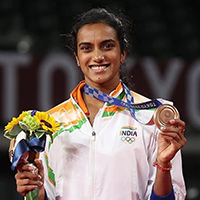
“Mental conditioning is as important as physical training. It has helped me stay focused and confident under pressure.” – PV Sindhu (Badminton)
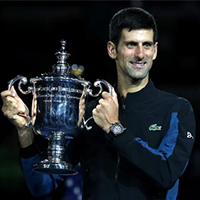
“Mental strength is one of the things that probably has allowed me to win as many matches as I have.” – Novak Djokovic (Tennis)
So, What Exactly is Sports Psychology?
Sports psychology is the science of how the mind influences athletic performance and how athletes can use mental skills to perform at their best, consistently.
It’s about understanding what goes on inside your head before, during, and after a match, race, or competition.
Why Every Athlete (Yes, You!) Needs Sports Psychology
Whether you’re 13 or 30, a beginner or an elite player, the truth is:
Your mind can be your biggest ally or your biggest enemy.
Here’s how sports psychology helps you level up:
- Mastering the Mind Under Pressure
Big game? Final point? All eyes on you?Sports psychology teaches you how to stay calm, focused, and in control, even when the pressure feels overwhelming.
- Building Rock-Solid Confidence
Doubt kills more dreams than failure ever will.
Learn how to train your inner voice, set realistic goals, and bounce back from setbacks with mental resilience.
- Improving Focus and Consistency
Struggle with zoning out mid-match?
Sports psychology helps you build routines, cut distractions, and sharpen your focus — so you can perform with laser-like intensity.
- Dealing with Loss, Injury, or Slumps
Every athlete faces tough times — bad games, injuries, or being benched.
Mental training gives you tools to cope, recover, and come back stronger.
- Creating Winning Habits
Champions don’t rely on motivation. They rely on systems
With the right mindset strategies, you’ll develop habits that keep you progressing — even on tough days.
Strengthening Motivation That Lasts
Motivation doesn’t always come from hype — it comes from clarity, purpose, and habits.Sports psychology helps you find your inner drive, stay committed through setbacks, and build the discipline to train even when you don’t feel like it.
- Managing Emotions During the Game
Frustration, anger, anxiety, or excitement — emotions can make or break your performance.
Mental training equips you with emotional regulation tools to stay balanced, respond instead of react, and keep your head in the game.
- Enhancing Visualization and Mental Rehearsal
Champions see success before it happens.
Sports psychologists train you in guided imagery techniques to mentally rehearse your skills, game strategies, and pressure moments — so your brain thinks you’ve already been there.
- Improving Coachability and Team Dynamics
Struggling to take feedback? Feeling misunderstood by coaches or teammates?
Sports psychology builds self-awareness and communication skills, making you easier to coach and more connected to your team.
- Enjoying the Game Again
When pressure builds, joy often disappears.
Mental training helps you reconnect with the fun, passion, and love you have for your sport — so you play with heart, not just hustle.
But Isn’t Sports Psychology Only for Elite Athletes?
Not at all. Sports psychology isn’t just for Olympians or pro players. It’s for anyone who wants to grow, improve, and enjoy the game more — mentally and physically. Whether you’re trying to get into your school team, nail your personal best, or prepare for nationals mental training gives you the edge you didn’t know you needed.-
Tags:
-
Share:
